Ceilings · 6 min read · 14 July 2026
A false ceiling hides services and shapes light. The decisions that matter are made before the boards go up.
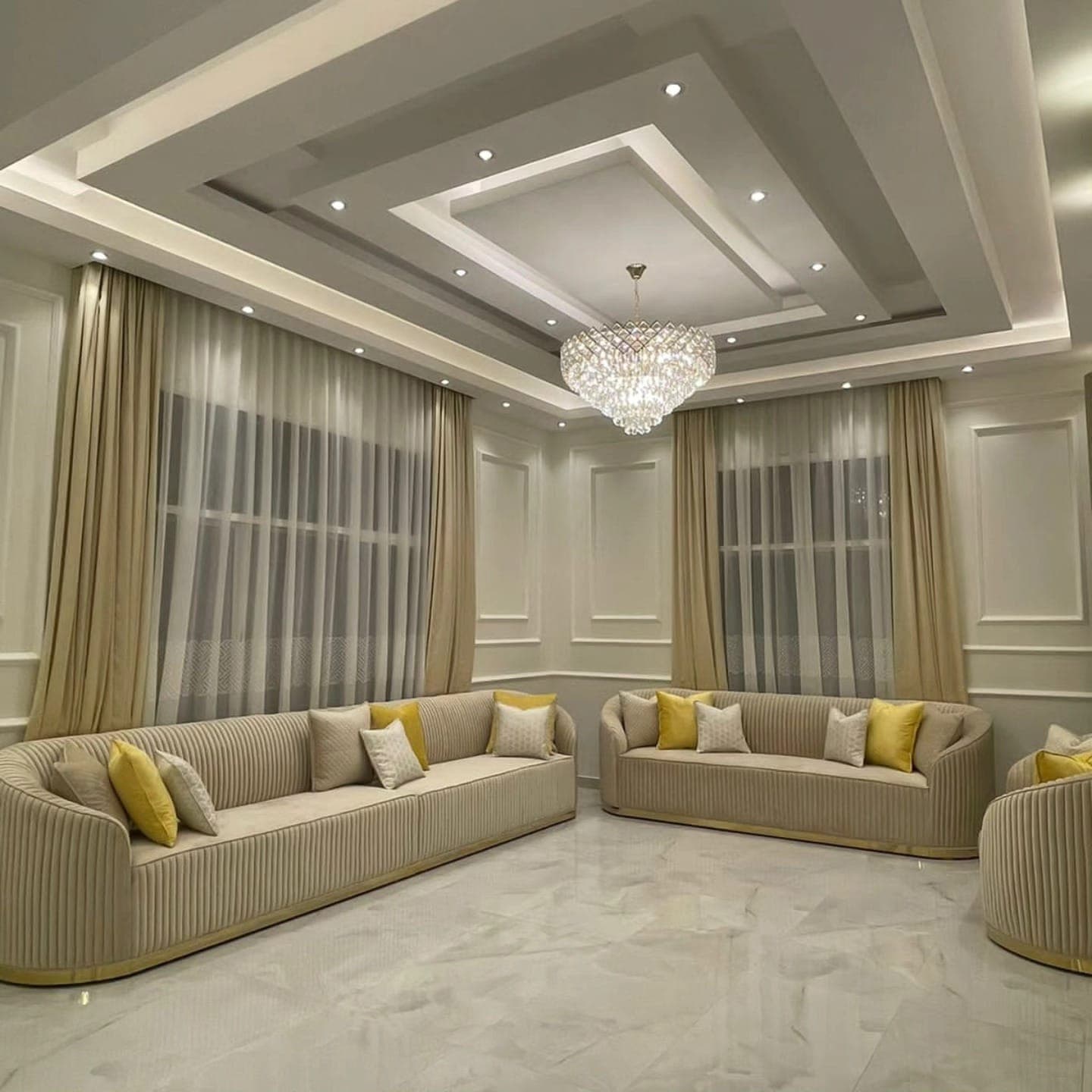
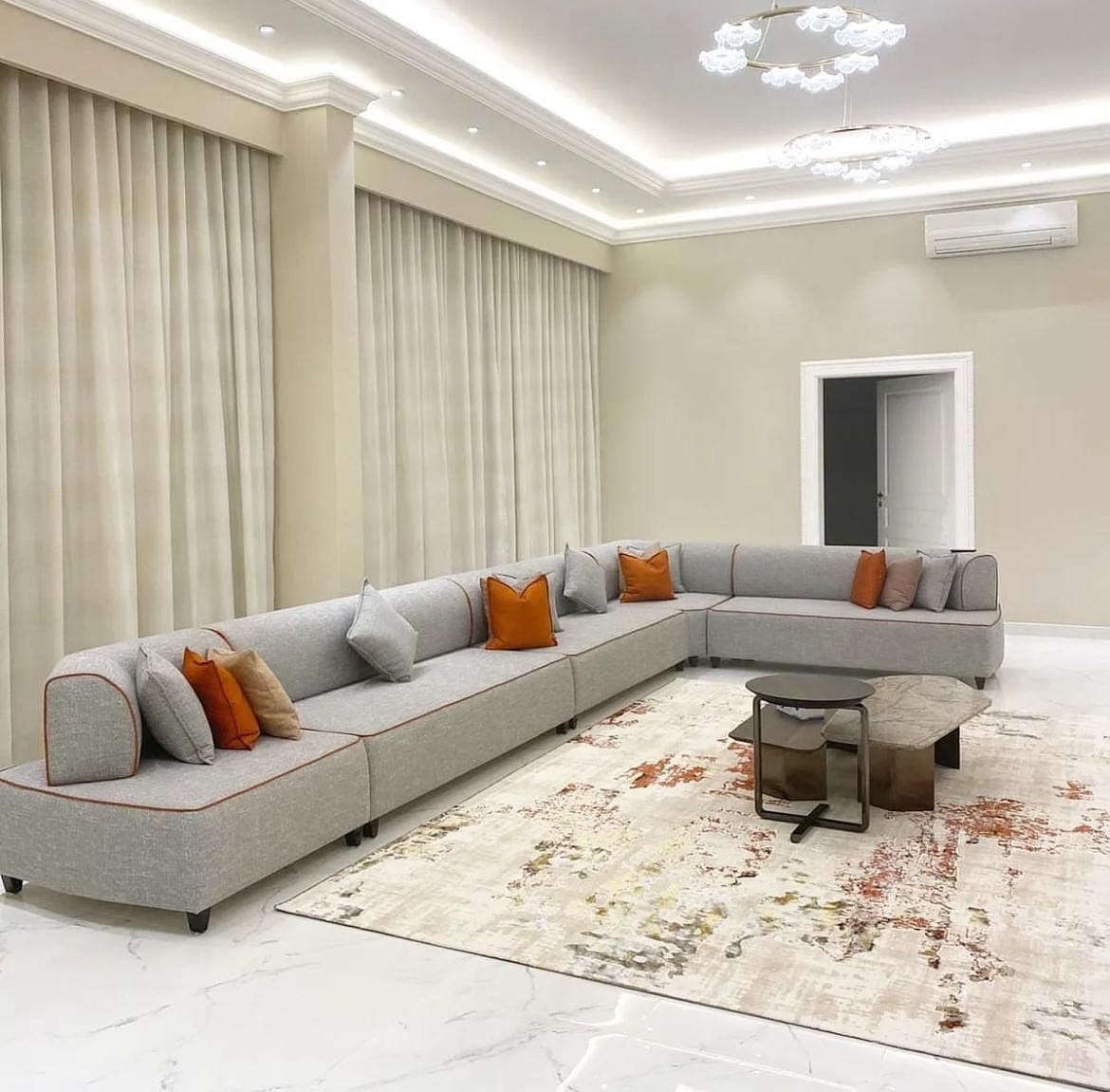
A suspended gypsum ceiling does two jobs: it hides ducts, wiring and pipes, and it lets you shape how a room is lit. Both need to be planned together, and both are far cheaper to decide before the ceiling is closed.
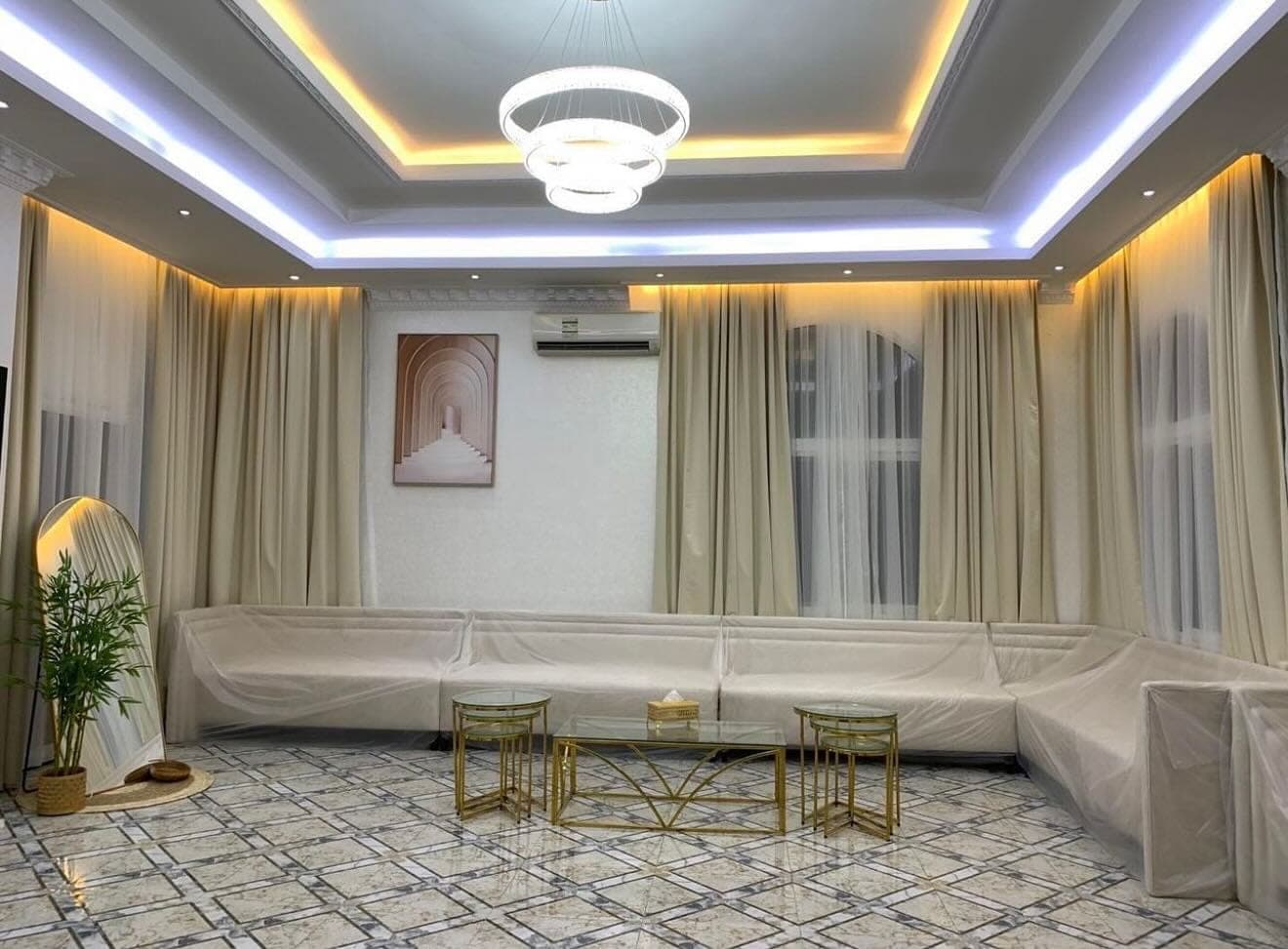
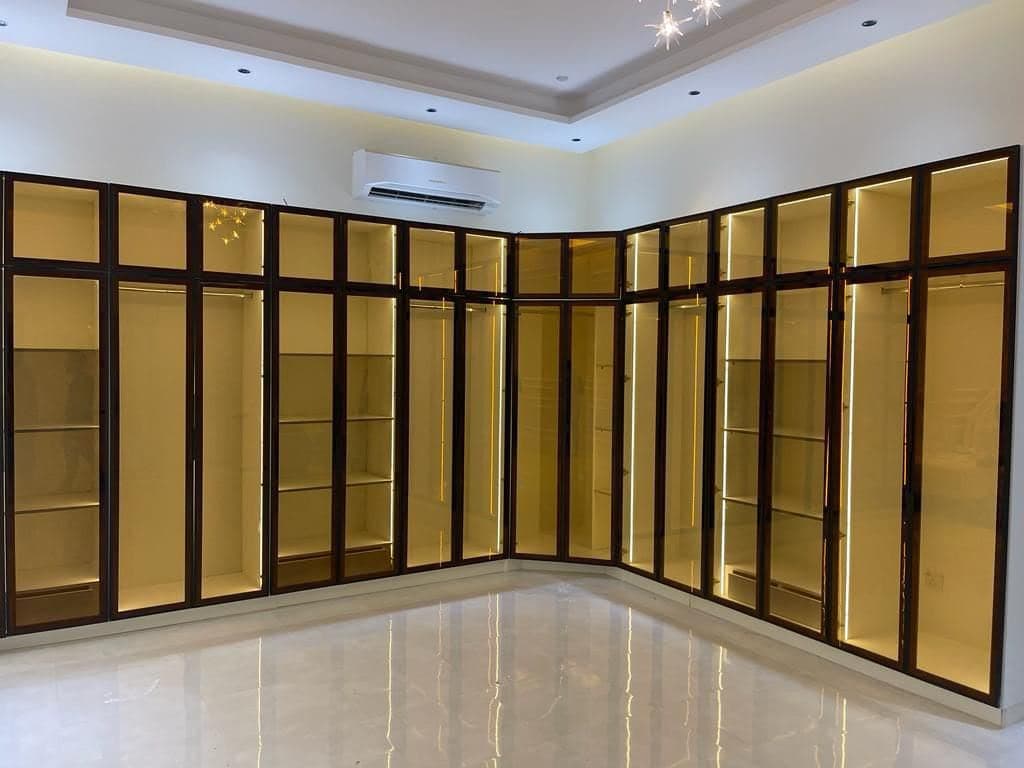
Cove lighting, with LED running in a trough around the edge, gives soft indirect light and makes a ceiling look higher. Warm white, in the 3000K range, is the usual choice for living rooms and bedrooms; neutral white suits kitchens and offices.
Layering matters more than the number of lights. Cove light for atmosphere, recessed or track spots for tasks and highlights, and a decorative fitting for a focal point, all on separate switches or dimmers, let one room serve different moods.
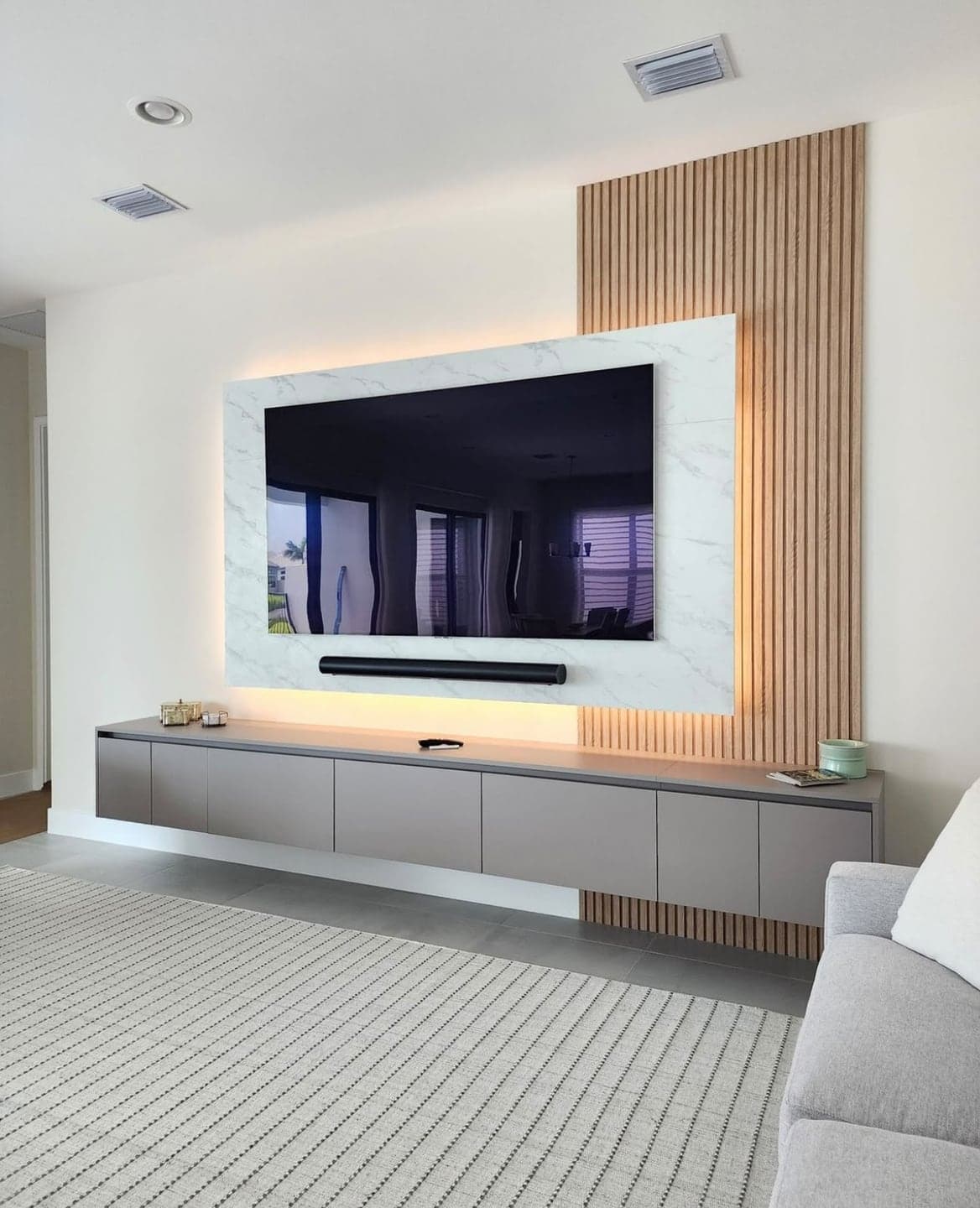
Air conditioning has to be coordinated with the design. Linear slot diffusers sit neatly in a gypsum ceiling, but positions, access panels and duct clearances need to be settled with whoever is doing the AC work.
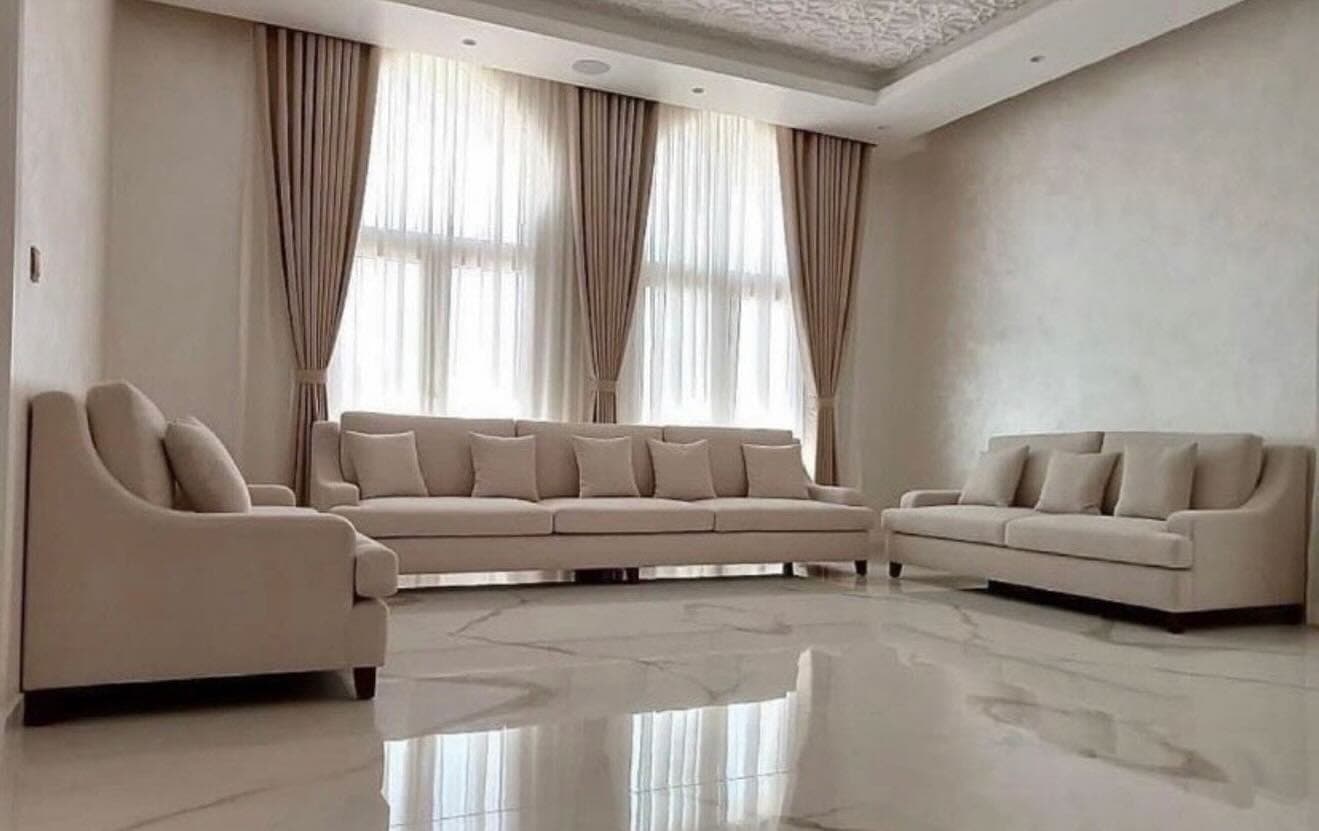
Curtain pelmets can be built into the ceiling so that tracks and motors disappear. If you plan motorised curtains, tell the ceiling team early so the recess is built in.
Height is a limit. Multi-level drops look good in high rooms and heavy in low ones, so a survey of the actual ceiling height should come before a design is agreed.