Wardrobes · 6 min read · 4 August 2026
Most wardrobes fail because the interior was never planned. Start from your clothes, not the doors.
Doors get the attention, but the inside decides whether a wardrobe is used well. Before choosing sliding or hinged, glass or solid, list what has to go in: long dresses, shirts and jackets, folded knitwear, shoes, bags, watches and jewellery, luggage.
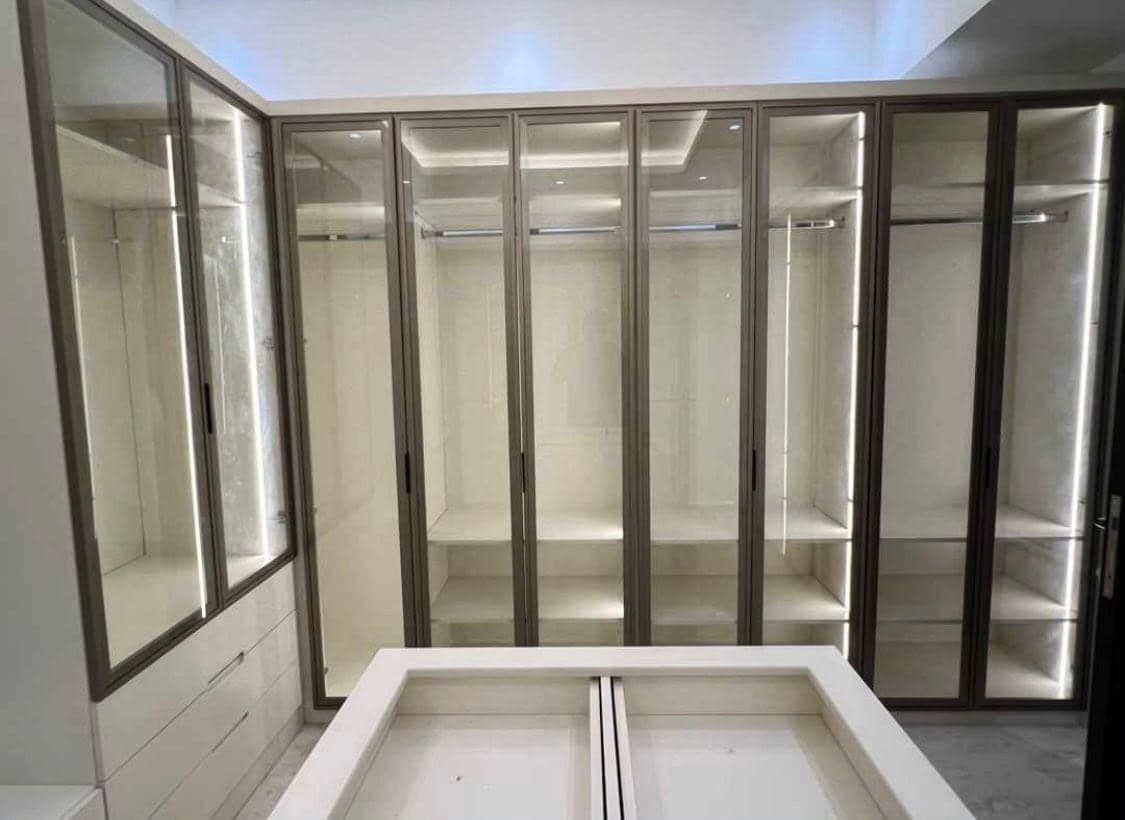
Hanging space is measured by what hangs. Long garments need full height; shirts and jackets can share a double rail, which nearly doubles the space. Mixing the two in one column wastes it.
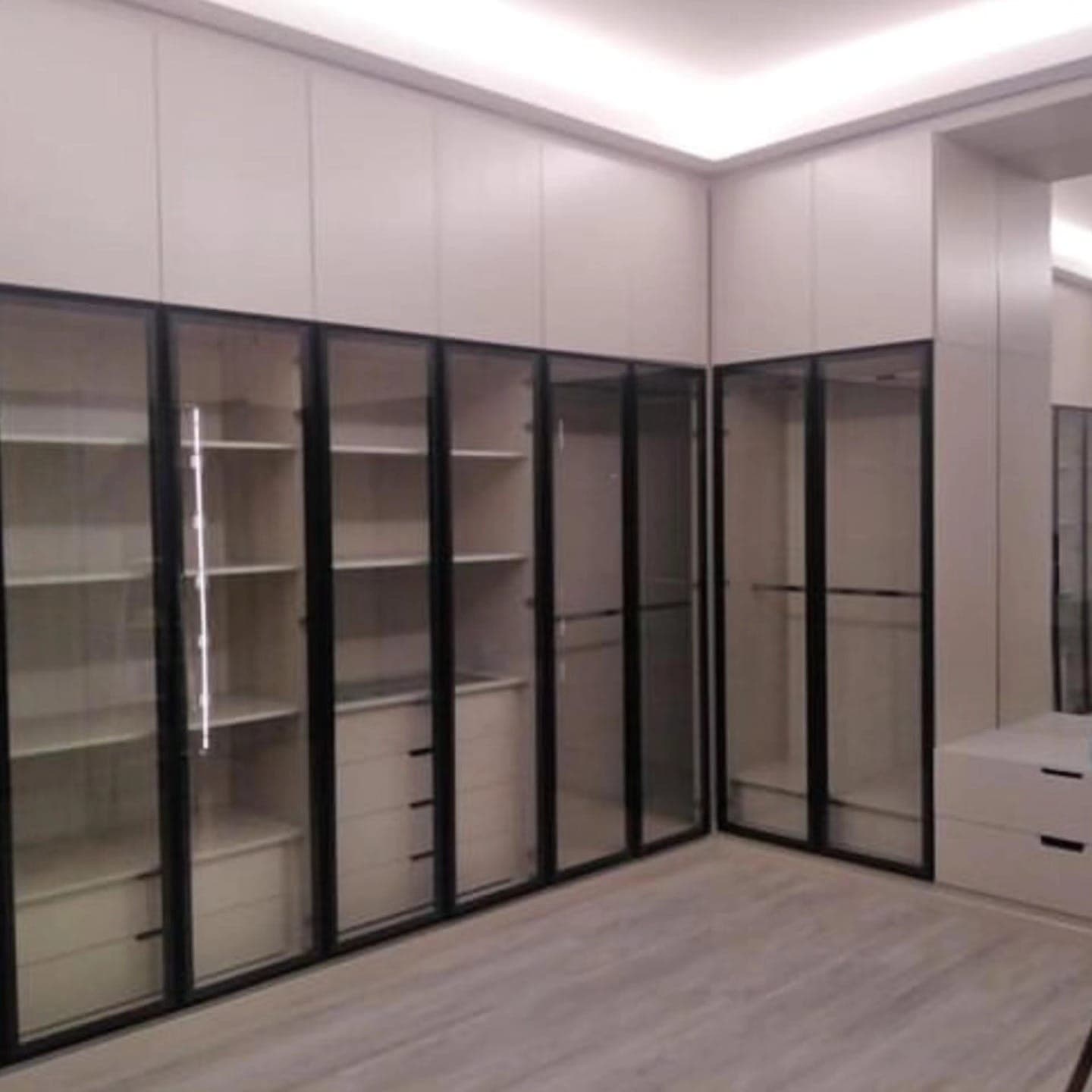
Drawers and shelves are for everything else. Deep drawers suit folded clothes better than shelves, which slump; shallow drawers with dividers suit accessories. Pull-out trouser racks, tie organisers and shoe racks earn their place in a well-planned interior.
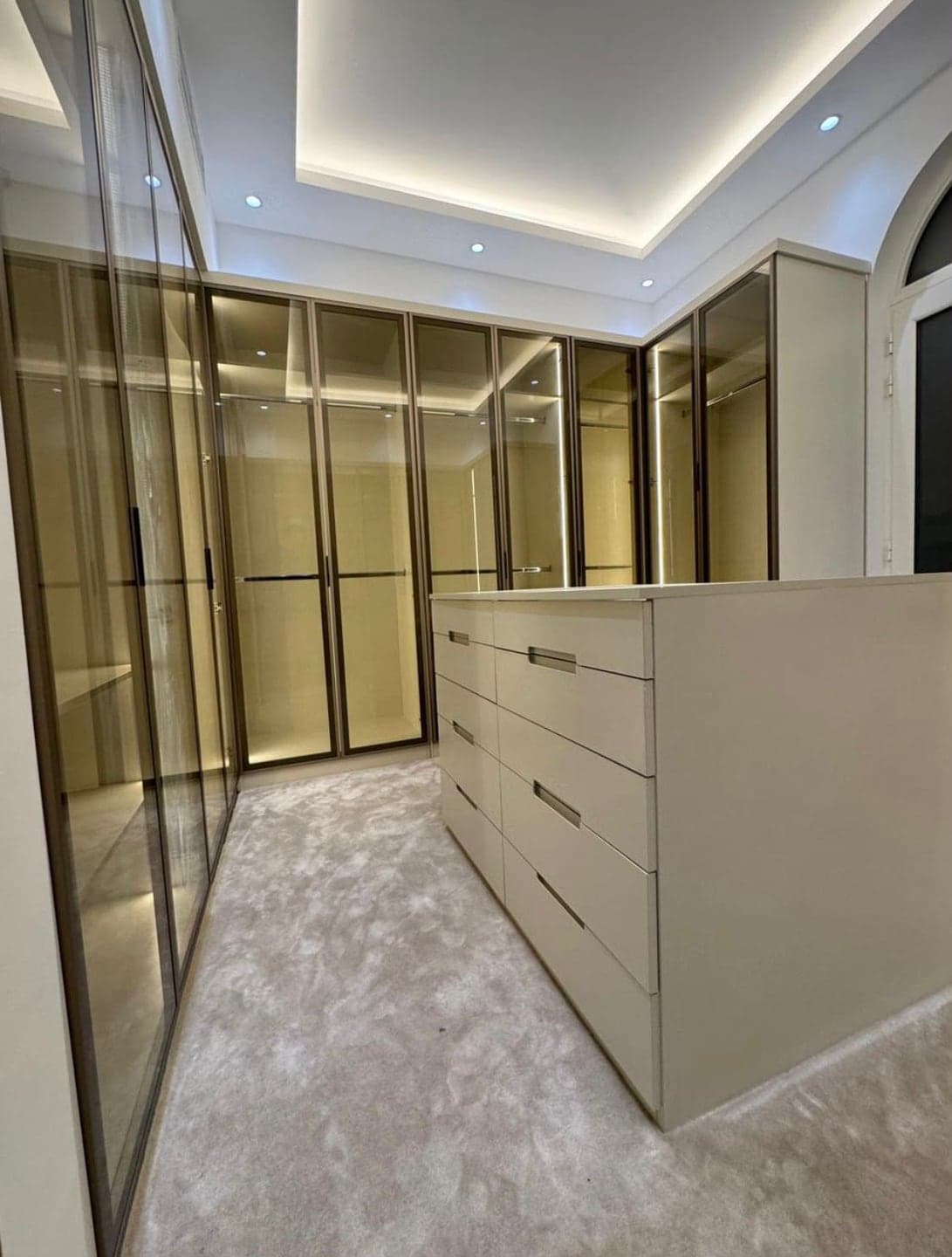
Sliding doors save floor space in tight bedrooms, and hinged doors give full access to the whole interior. In a walk-in closet, an island with drawers can replace a lot of wall units.
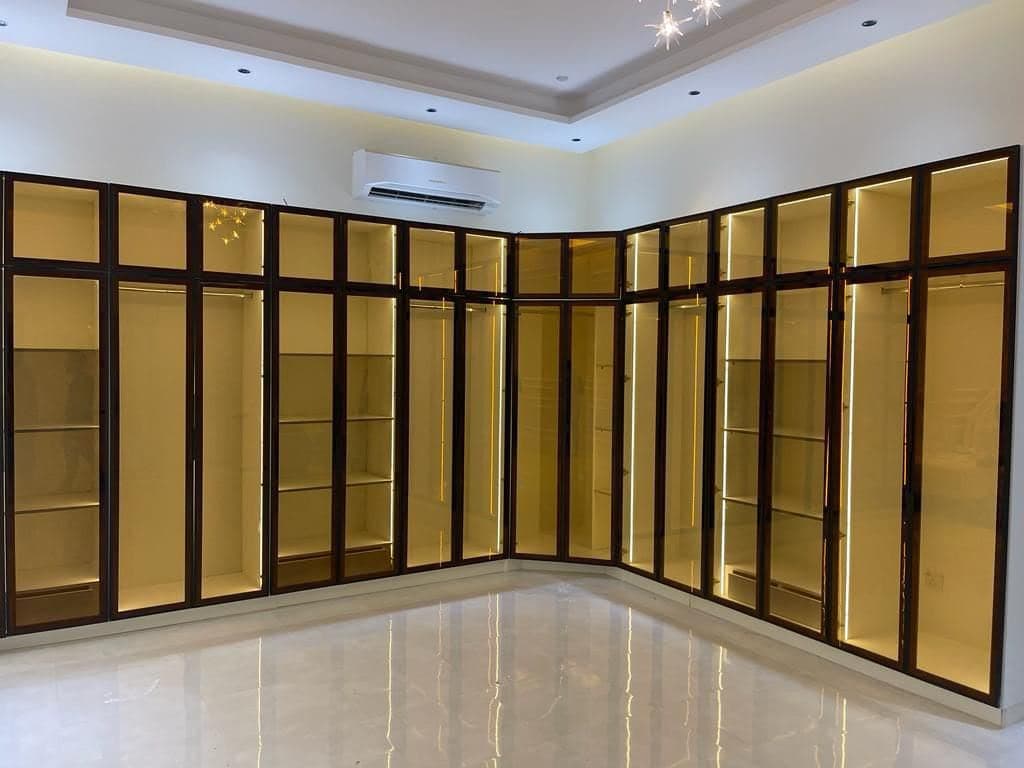
Lighting inside is a small cost with a large effect. Motion-activated warm LED on rails and shelves makes it easy to see everything, and glass-fronted units show off a collection while keeping dust out.
Floor-to-ceiling carcasses, with no dust gap at the top, make a room look bigger and remove a surface that would otherwise collect dust.